

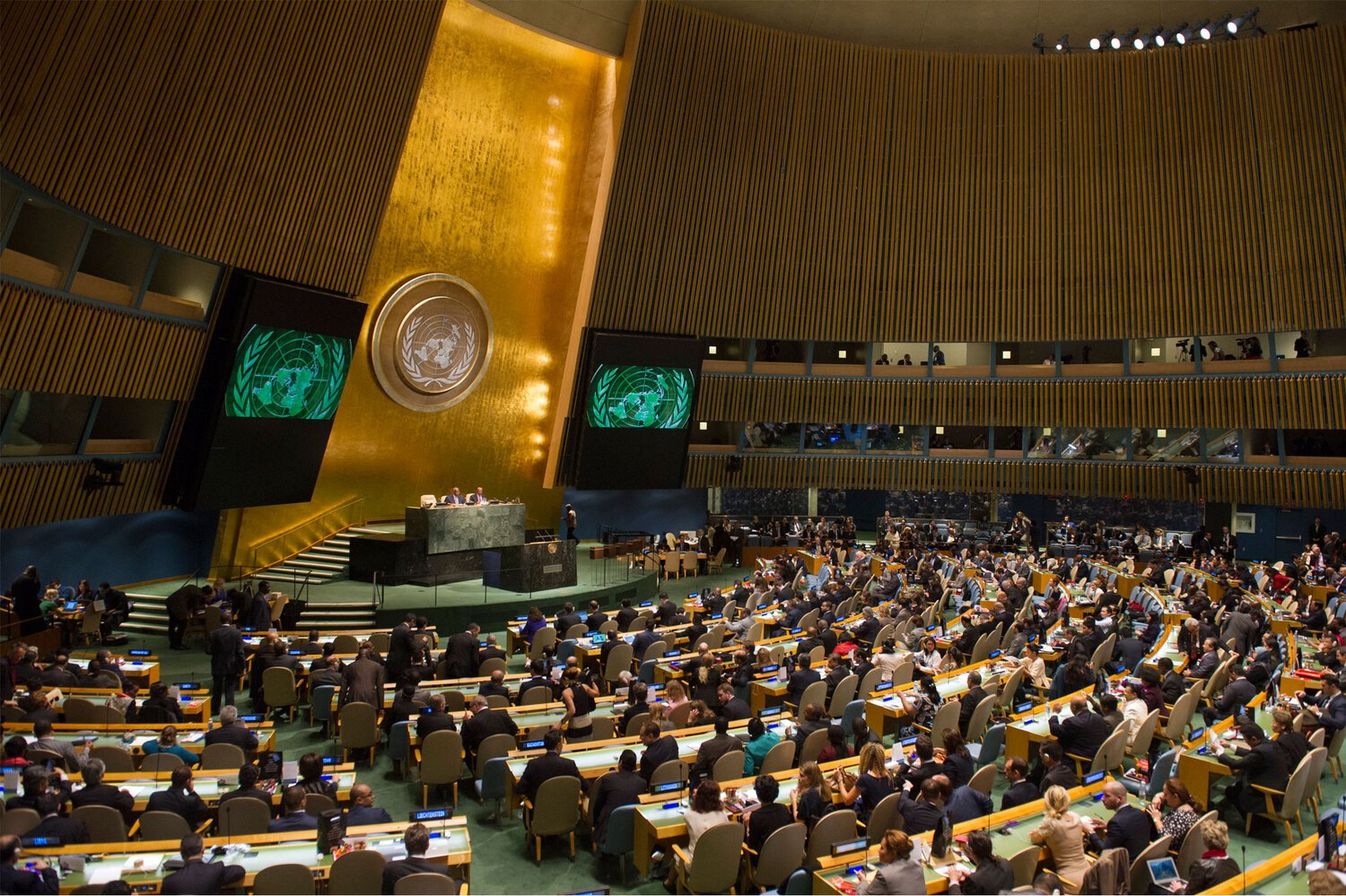
United Nations Educational, Scientific, and Cultural Organization (UNESCO)
General Assembly
UNESCO (NOVICE)
The UNESCO Committee focuses on promoting peace through certain methods, including but not limited to education, science, and culture. The committee works to promote intercultural understanding while addressing global issues.
Approximate committee size: 20 double delegations
Committee Topics
-
1. Recommending the Inclusion of Colonial History from the Perspective of Colonized Peoples in School Curriculums
History has often been taught through the lens of colonizers. Time and time again, the culture and tradition of colonized people have been erased, often forcefully. The voices of the community were pushed aside, important parts of history rewritten and left out of classrooms to downplay the effect of colonization. Because of this, students, as well as the rest of the world, often have a false or incomplete narrative of the past. Changing the way we view colonization is necessary, but at the same time, easier said than done. UNESCO must consider and understand how these controversial pieces of history can be included into the public education system in ways that remain honest to the events that truly occurred.
-
2. UNESCO’s Role in Certifying Fact-Checking Organizations to Monitor Global Online Disinformation
The most powerful tool in the world is the internet. Used for sharing information, ideas, and opinions, it has become a cornerstone of our society. On the other hand, it has also been used as a weapon, with the spread of misinformation becoming more prolific. Manipulative content, fake images, misleading stories, and foreign propaganda can travel across the globe in a matter of seconds, influencing people's opinions towards a certain topic. Fact-checking organizations work to stop this harmful spread, but their reliability and effectiveness vary. UNESCO must take a leading role in certifying these organizations to help them build trust with the general public; however, UNESCO risks being seen as controlling information. The committee must figure out how to promote truth on the internet while still protecting the right to free speech.
Committee Chairs
-

Ayani Milligan
Ayani Milligan, a junior at Maggie Walker, is so excited to be your co-chair this year. He has been a part of Model UN for three years and has been in multiple conferences such as GSMUN and FREEMUN. Previously, for GSMUN, he has been a crisis staffer and crisis director for Ad Hoc (Emu Wars), the NBA, and the Byzantine Empire. Outside of MUN, Ayani is part of the basketball team and loves to play piano. He enjoys learning science and math. He is thrilled to see what creative solutions delegates bring to the conference!
-

Ronak Karwa
Ronak Karwa, a junior at Maggie Walker, is so excited to be your co-chair this year. He has been a part of Model UN for 4 years and has been in multiple conferences such as GODMUN, HIMUNC, FREEMUN, and a delegate at GSMUN. Previously for GSMUN, he has been a crisis staffer and crisis director for the NBA and other specialized and crisis committees. Outside of MUN, Ronak is part of the basketball team and loves to socialize with friends. He enjoys learning about science and history. He is thrilled to see what solutions and debates delegates bring to the conference!